


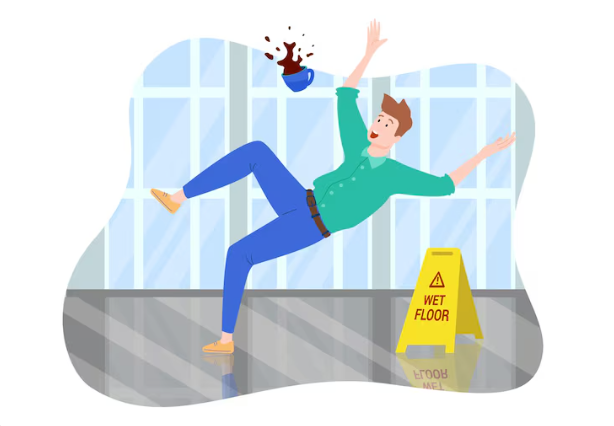
A slip and fall at work can shatter a normal day in seconds. One moment you walk. Next you lie on the floor in pain, confused, and scared about what comes next. You may worry about missed paychecks, medical bills, or if your boss will blame you. You might even feel shame, as if you caused it. You did not. Workplaces must stay safe. When you fall, you face two battles. First is your health. Second is the system that decides if you get help. You need clear steps. Report the fall. Get medical care. Gather names of witnesses. Take photos if you can. Then learn your rights. This blog explains what usually happens, what your employer may do, and what you can do to protect yourself. For more detailed legal guidance specific to Philadelphia, you can find help at phillyslipandfallguys.com.
Step One: Protect Your Body
You may feel pressure to jump up and keep working. Do not do that. First protect your body.
- Stay still for a moment. Notice where you hurt.
- Ask for help from a coworker or supervisor.
- Request first aid on site if it is safe.
- Call 911 if you hit your head, cannot move, or feel severe pain.
Next seek medical care the same day if you can. You protect your health. You also create a clear record that links your injury to the fall. The Centers for Disease Control and Prevention explains that fall injuries are a major cause of missed work. You can read more about fall injury facts at this CDC fall safety page.
Step Two: Report The Fall Right Away
You might feel scared to speak up. You may worry about anger or blame. Report the fall anyway. Most state laws give you rights only if you report on time.
Take these actions as soon as you can.
- Tell your supervisor in clear words that you fell at work and got hurt.
- Request an incident report form.
- Write what happened in simple words. Include date, time, and place.
- List any unsafe condition such as wet floor or loose cord.
- Keep a copy of what you sign.
Next ask who handles workers compensation claims at your job. This might be human resources or a safety officer. Then follow up in writing. You can use email or a written note. Keep copies.
Step Three: Document Everything
Your memory can fade. Early proof stays strong. You do not need fancy tools. A phone and a pen can guard your story.
- Take photos of the floor, spill, clutter, or broken step.
- Write names and contact details of anyone who saw you fall.
- Write a short timeline of what you did in the hour before and after the fall.
- Save every medical paper and bill.
- Track days you miss from work and any lost pay.
This record can support a workers compensation claim. It can also help if safety inspectors or lawyers review your case later.
What Your Employer Might Do
After you report the fall your employer should act. You may see one or more of these steps.
- They complete an internal incident report.
- They fix the unsafe condition such as cleaning a spill.
- They send information to their workers compensation insurance.
- They offer light duty work if your doctor limits your tasks.
Your employer might also ask questions that feel sharp. Stay calm. Answer with short clear facts. Do not guess. If you do not know, say you do not know. That protects your trustworthiness.
Common Outcomes After A Work Fall
Every case is different. Yet many workers face similar paths after a fall.
| Outcome | What It Means For You | What You Can Do Next |
|---|---|---|
| Minor injury | Short term pain. You miss little or no work. | Follow doctor instructions. Report any new pain fast. |
| Time off work | You miss days or weeks. You lose wages. | File a workers compensation claim. Keep wage records. |
| Long term limits | You cannot do some tasks anymore. | Ask about job changes or training for safer duties. |
| Denied claim | Insurer says your fall is not covered. | Appeal through your state system. Seek legal advice. |
You can read a plain guide to workers rights and compensation on the United States Department of Labor page at this workers compensation overview.
Workers Compensation And Your Rights
Workers compensation is insurance that most employers must carry. It often pays for these three things.
- Medical treatment for your work injury.
- Part of your lost wages while you heal.
- Support if you have lasting limits from the injury.
In many states you do not have to prove that your employer did something wrong. You only need to show that you got hurt while doing your job. Each state has its own rules. Time limits can be short. You protect your claim by reporting early and keeping records.
How To Talk With Your Family
A work fall does not hit only you. It shakes your whole household. Honest talks can lower fear.
- Share simple facts with your partner and children.
- Explain what the doctor said and what comes next.
- Discuss money changes and any help you may need.
- Ask for support with chores that now cause pain.
Children may worry in silence. Invite their questions. Answer in calm short sentences. Remind them that adults are working on the problem.
When To Seek Legal Help
You may need legal help if any of these happen.
- Your employer refuses to report the injury.
- The insurer denies your claim or stops checks early.
- You feel pressure to return to work before you are ready.
- You face punishment for reporting the fall.
A lawyer who handles work injuries can explain your choices and deadlines. Many offer free first talks. Save your documents before that meeting. Bring copies of medical reports, pay stubs, and incident forms.
Preventing The Next Fall
You have a right to a safe workplace. You also play a part in safety.
- Report spills, loose cords, and broken steps right away.
- Wear proper shoes for your job.
- Use handrails and proper ladders.
- Ask for training if tasks feel unsafe.
If your workplace ignores hazards you can file a confidential safety complaint with the Occupational Safety and Health Administration. That option can protect you and your coworkers from future harm.
Key Takeaways You Can Use Today
- Protect your body first. Get medical care fast.
- Report the fall and keep written records.
- Learn your rights under workers compensation law.
You did not ask for this injury. You still have power. Clear steps, solid records, and calm support from family and trusted helpers can guide you through the shock of a slip and fall at work.
