


Why Dermatologists Catch What Others Miss
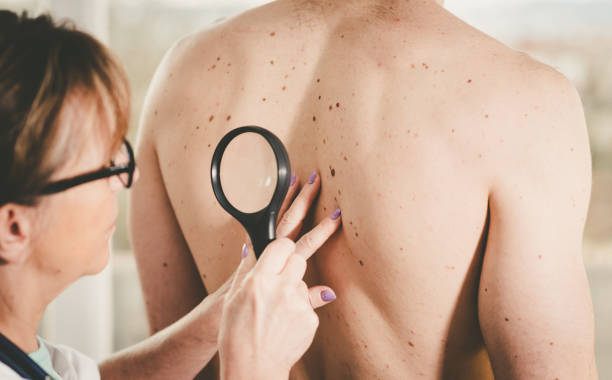
Trained dermatologists spot those tiny irregularities that blend into normal skin for everyone else. They use tools like magnifying lamps and polarized light to examine lesions up close. Patients poke at a mole and think it’s fine because it doesn’t hurt. General practitioners juggle too many specialties to notice subtle changes in pigmentation. Dermatologists train for years on skin patterns alone. That’s why places like dermatology St George Utah offer that focused care without the rush. A suspicious border shows up under their scope. Self-checks miss the early asymmetry. Expertise turns vague worries into clear diagnoses.
The Three Types of Skin Cancer and What to Watch For
Melanoma starts as a new spot or changes in an existing one. It often looks uneven in color with shades of brown and black. Caught early, survival hits 99 percent. Basal cell carcinoma appears as a pearly bump or sore that won’t heal. It grows slowly but invades nearby tissue if ignored. Early detection keeps survival near 100 percent. Squamous cell carcinoma shows as a scaly red patch or wart-like growth. It spreads faster than basal but still responds well if found soon. Late-stage melanoma drops survival to 30 percent. Watch for persistent growths that bleed or crust.
Moles Aren’t Always Harmless
Asymmetry hits first in the ABCDE rule. One half of the mole doesn’t match the other. Borders get irregular, notched or blurred. Color varies with multiple shades in one spot. Diameter over six millimeters raises flags. Evolving means it changes size or shape over time. Most moles stay flat and even. They don’t itch or bleed without reason. Evaluate if it fits more than two ABCDE points. Leave the stable ones alone. Professionals check the ones that shift.
Sun Damage Accumulates Over Decades
UV rays hit your skin every time you step outside. Brief exposures add up from walks to the car. Decades of that build silent damage in skin cells. Sunny climates double the risk because exposure never stops. Childhood sunburns scar DNA for life. A single bad burn before age 18 triples melanoma odds. Protection starts early but damage lingers. Older skin shows the toll in spots and wrinkles.
Why Fair Skin Isn’t the Only Risk Factor
Skin cancer strikes every tone. Fair skin burns easy and shows changes fast. Darker tones hide those early flat lesions. Diagnosis comes later because signs mimic normal pigmentation. Survival suffers from that delay. Socioeconomic gaps mean less access to checkups. Rural areas lack specialists. Healthcare costs block routine visits. Everyone needs screening regardless of shade.
How Dermatologists Screen for Hidden Skin Cancer
Full-body exams cover every inch from scalp to toes. Dermoscopy magnifies with a handheld device for subsurface views. Biopsies happen if a lesion looks off. They snip a small sample for lab analysis. Self-checks rely on mirrors and guesses. Pros use light filters to see patterns invisible to the naked eye. Screenings catch spots behind ears or between toes.
When Self-Exams Become Dangerous
You see what you want in the mirror. That mole looks normal because you know your skin. Confirmation bias tricks you into ignoring edges. Misdiagnosis delays real treatment. Uncertainty gnaws at you daily. Professionals deliver facts and close the doubt. Peace comes from their verdict not your hope.
The Difference Between Prevention and Early Detection
Sunscreen blocks new UV hits. It doesn’t erase past damage. Screenings find cancers already forming. Early detection boosts melanoma survival to 99 percent. Late finds drop it to 30 percent. Prevention reduces risk but misses the hidden threats. Checks fill that gap yearly.
Making Screening Part of Routine Healthcare
High-risk folks go yearly. Fair skin or family history means more often. Everyone else every two years after 30. Cost worries stop people but insurance covers most. Time crunches fill schedules tight. Embarrassment fades once you’re in the room. Call ahead for the next slot. Bring a list of spots that bother you. Wear loose clothes for easy access.
Why This Matters Right Now
Early skin cancer catches turn deadly diagnoses into quick fixes. Act on that spot you’ve ignored. Book the appointment this week. Outcomes shift with speed.
