


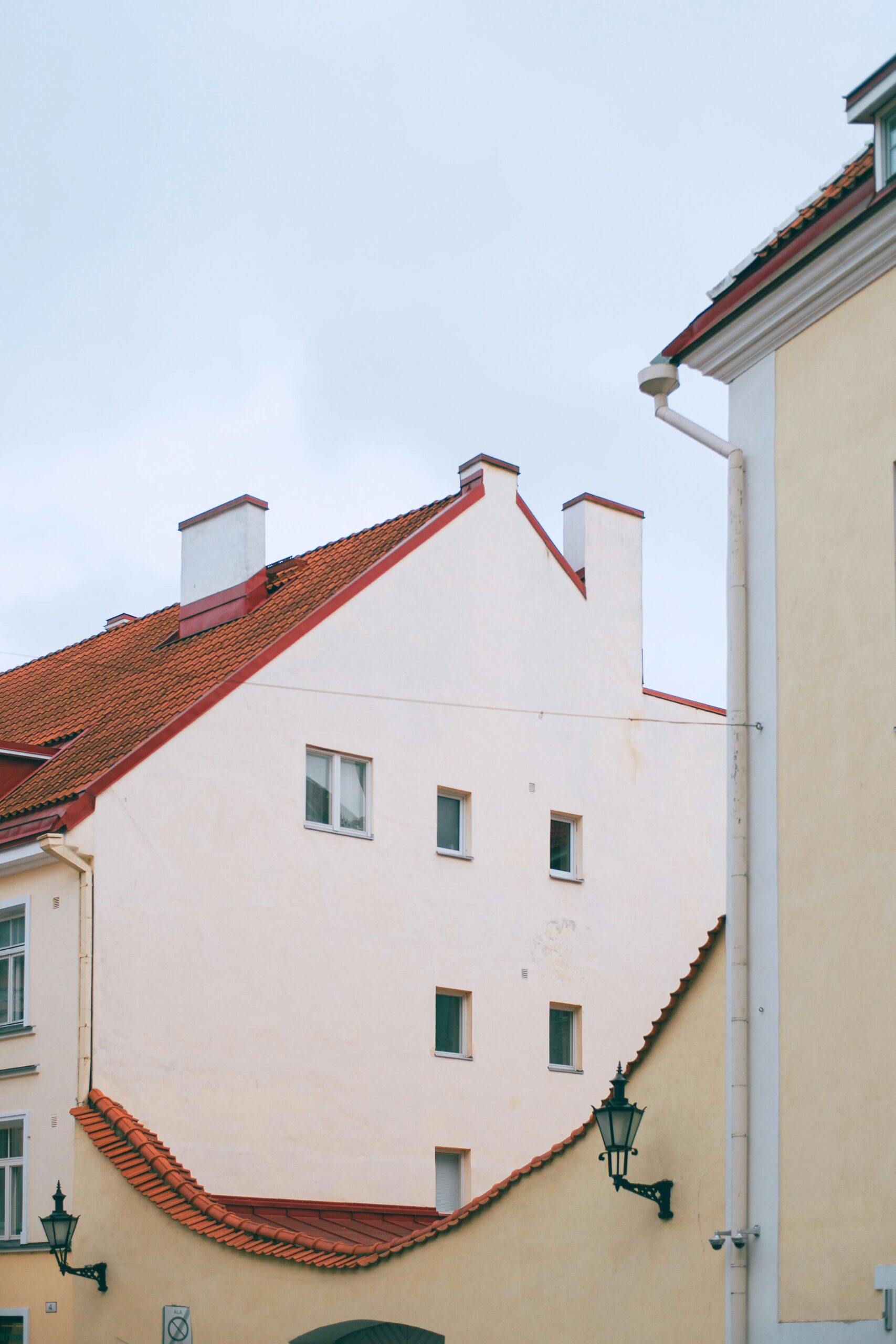
A well maintained roof is essential for protecting your home, preserving energy efficiency, and avoiding costly repairs. While roofing materials are designed to withstand years of exposure to the elements, they still require regular care to perform at their best. Homeowners who stay proactive with maintenance can extend the lifespan of their roof significantly and prevent small issues from turning into major problems. Understanding the most effective maintenance practices helps ensure your roof remains strong, durable, and reliable throughout its service life.
Schedule Regular Roof Inspections
Routine inspections are one of the most important steps in maintaining long term roof performance. Even if your roof appears to be in good condition, hidden issues can develop over time. Seasonal temperature changes, storms, and natural wear can all contribute to subtle damage that may not be visible from the ground.
A professional inspection once or twice a year helps identify early signs of trouble such as loose shingles, deteriorating flashing, or weakened sealant. Inspectors can also spot structural concerns or ventilation issues that may affect the roof’s longevity. Companies like Austin Roofing often recommend inspections after severe weather events to ensure no damage has gone unnoticed. Early detection allows for timely repairs and helps prevent more extensive issues down the road.
Keep Gutters Clean and Functioning Properly
Gutters play a crucial role in protecting your roof by directing water away from the structure. When gutters become clogged with leaves, debris, or dirt, water can overflow and seep beneath shingles or pool along the roofline. Over time, this can lead to rot, mold, and deterioration of roofing materials.
Cleaning gutters at least twice a year helps maintain proper drainage and reduces the risk of water related damage. Homeowners in areas with heavy tree coverage may need to clean gutters more frequently. Installing gutter guards can also help minimize debris buildup and reduce maintenance needs. Ensuring downspouts are clear and directing water away from the foundation further supports the overall health of your roofing system.
Address Minor Repairs Before They Escalate
Small roofing issues can quickly become major problems if left unaddressed. A single loose shingle, small crack, or minor leak may seem insignificant, but these issues often worsen with time and exposure to weather. Moisture can infiltrate the roof deck, insulation, and interior spaces, leading to costly repairs and potential structural damage.
Homeowners should address minor repairs promptly to prevent escalation. This includes replacing damaged shingles, resealing flashing, and repairing small leaks as soon as they are discovered. Regular maintenance checks make it easier to catch these issues early. Taking a proactive approach not only protects your roof but also helps maintain the overall integrity of your home.
Maintain Proper Attic Ventilation and Insulation
Ventilation and insulation play a major role in roof performance. Without proper airflow, heat and moisture can build up in the attic, causing shingles to deteriorate prematurely and increasing the risk of mold growth. Poor ventilation can also lead to ice dams in colder climates, which can cause water to back up beneath shingles and damage the roof deck.
Ensuring your attic has adequate intake and exhaust vents helps regulate temperature and humidity levels. Proper insulation further supports energy efficiency and reduces strain on your HVAC system. Together, ventilation and insulation create a balanced environment that protects both the roof and the interior of your home. Regularly checking these components helps ensure they remain effective throughout the year.
Trim Overhanging Branches and Remove Debris
Trees add beauty and shade to your property, but overhanging branches can pose a risk to your roof. Branches that rub against shingles can cause abrasion, while falling limbs during storms can lead to significant damage. Leaves and debris that accumulate on the roof can trap moisture, promote mold growth, and accelerate deterioration.
Trimming branches that hang over the roof helps reduce these risks and prevents debris from collecting. Homeowners should also remove leaves, twigs, and other materials from the roof surface regularly. Keeping the roof clear allows water to drain properly and reduces the likelihood of moisture related issues. This simple maintenance step can significantly extend the lifespan of your roofing system.
Conclusion
Long lasting roof performance depends on consistent, proactive maintenance. By scheduling regular inspections, keeping gutters clean, addressing minor repairs promptly, maintaining proper ventilation and insulation, and managing nearby trees and debris, homeowners can protect their investment and ensure their roof remains strong for years to come. These practical steps support durability, efficiency, and peace of mind throughout the life of your roofing system.
