


If you love the outdoors, then the off-season might feel a little strange. The tags are filled. The weather has turned. Maybe your favorite trail is buried under snow. Simply put, the off-season is the stretch of time when you cannot fish, hike, or hunt like you would during peak months.
While it might look like downtime on the surface, the off-season is actually an important aspect for an outdoorsman. Sort of how it is vital for athletes. What you do in the off-season sets the tone for how ready you will be when the season returns. Think of this time as a chance to reset, improve, and prepare.
And that’s exactly what this post aims to help you do.
Make Time to Sharpen Your Skills
When you’re in the middle of a busy season, there’s often no time to slow down. You don’t get the chance to work on fundamentals. The off-season gives you that necessary space. This is the perfect time to practice skills that usually get ignored or rushed along.
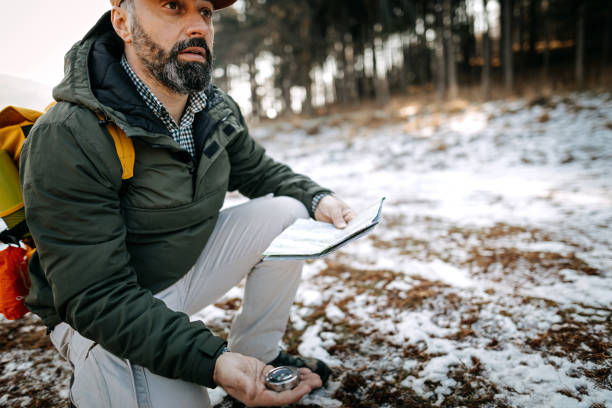
Key areas to work on include gear maintenance, map reading, marksmanship, or knots. Clean and organize your equipment. Replace any worn items. Lead something new – whether that’s tracking techniques, survival skills, or how to better read the terrain.
You should also spend time studying past trips and seasons. Ask yourself some questions, like what worked? and what didn’t? Small improvements now will lead to big gains later. These adjustments will play a major role in becoming a better outdoorsman.
Ensure You Maintain Your Fitness
If you’re not climbing hills or hauling packs, you might lose conditioning. This is a very common issue, so don’t feel too downtrodden about it. Just know you aren’t alone. In fact, the off-season is when many outdoorsmen lose endurance and strength – all without realizing it.
There’s no need for a complex workout plan. Instead, focus on staying consistent. Walk, light weights, or do bodyweight exercises at home – just be active! You might even be able to hike at times if it is deemed safe to do so. Don’t put yourself in a dangerous situation just to maintain your fitness levels.
Different types of exercise have their own purpose, even in the off-season. Cardio, for example, helps keep your lungs ready, while strength training protects your joints. This prevents injuries when the season starts up again.
Even light movement goes a long way. Your goal shouldn’t be to peak right now – you just want to avoid starting from zero when it’s time to head back outside.
Try to Focus on Recovery
The off-season is when your body needs a break, too. Months of heavy loads, long days, and rough terrain add up. Take recovery seriously at this time, so you will not carry aches and pains into the next season.
Fortunately, there are simple steps to take – and they make all of the difference. Prioritize sleep. Stretch regularly. Address any nagging pains instead of just ignoring them. If something has bothered you all season long, then now is the best time to deal with it. Don’t just leave it to get worse.
And remember, mental recovery matters as well. It might be tempting to let your mental strength go during the off-season. You shouldn’t, though. Step back, reflect, and reconnect with why you love the outdoors in the first place.
To conclude, using the off-season wisely makes it a powerful tool. You’ll be more likely to return healthier and stronger if you sharpen your skills, maintain your fitness, and focus on recovery now. This way, you’ll be much more prepared, too.
