


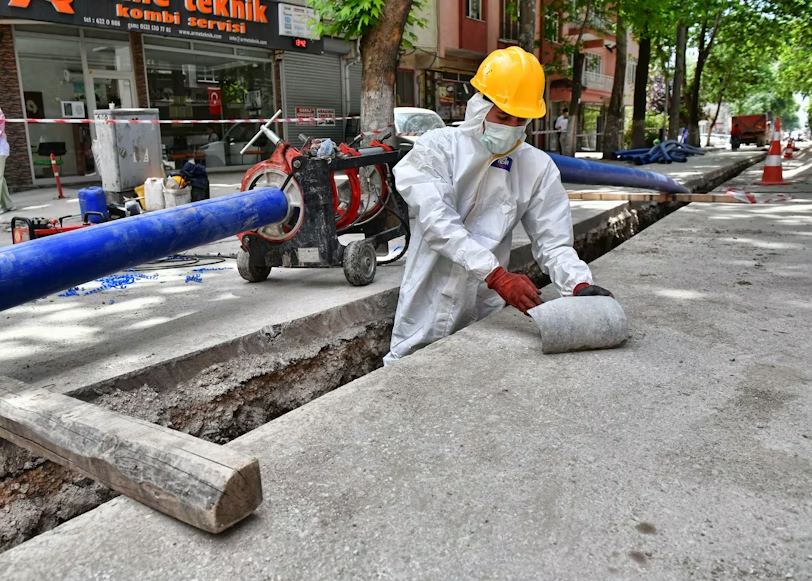
Asbestos stands as one of the most dangerous materials ever embraced by construction and manufacturing industries. It’s a sobering fact that despite decades of strict regulations, millions of homes, schools, and commercial buildings across the country still harbor asbestos-containing materials. Whether you’re a homeowner, property manager, or someone working in older structures, understanding how to spot potential asbestos hazards and manage exposure risks isn’t just important, it’s essential for your safety. Here’s what makes asbestos particularly insidious: the danger doesn’t come from its mere presence, but from the microscopic fibers that take flight when materials get disturbed, damaged, or handled carelessly.
Understanding Asbestos and Its Historical Use
Asbestos isn’t just one mineral, it’s actually a group of six naturally occurring fibrous minerals that manufacturers fell in love with for their heat resistance, remarkable strength, and excellent insulating properties. Throughout most of the twentieth century, these minerals found their way into thousands of products, from building materials to automotive parts. The construction industry became particularly fond of asbestos, incorporating it into insulation, fireproofing applications, roofing materials, floor tiles, cement products, and pipe wrapping. The peak years? That’d be between the 1940s and 1970s, when asbestos earned its reputation as a “miracle material” thanks to its versatility and cost-effectiveness.
Identifying Common Asbestos-Containing Materials
Spotting potential asbestos-containing materials means knowing where builders commonly used this mineral in the past. Those popcorn ceilings and textured wall finishes that were all the rage before the mid-1980s? They frequently contained asbestos fibers for fire resistance and that distinctive texture everyone seemed to love. Vintage vinyl floor tiles, sheet flooring, and especially the adhesives that held them down often included asbestos, particularly anything manufactured before 1980. Take a look at pipe insulation and furnace duct wrapping in older homes, and you’ll typically find asbestos-containing materials that appear as gray or white corrugated paper-like coverings.
Health Risks Associated with Asbestos Exposure
The health consequences of asbestos exposure are serious and play out over the long term, though symptoms often don’t show up until decades after someone first encounters these fibers. When asbestos materials get disturbed, they release microscopic fibers that float through the air and can be inhaled deep into your lungs, where they permanently lodge themselves in tissue. These fibers don’t just sit there quietly, they cause chronic inflammation and scarring that can trigger several devastating diseases as time passes. Asbestosis, which involves progressive scarring of lung tissue, leads to breathing difficulties, persistent coughing, and chest pain that intensifies as the condition worsens. Lung cancer presents another significant threat for anyone exposed to asbestos, bringing symptoms like chronic cough, chest pain, breathing difficulties, and unexplained weight loss. Then there’s mesothelioma, a rare and particularly aggressive cancer that attacks the lining of the lungs, chest cavity, or abdomen, it’s almost exclusively caused by asbestos exposure, and professionals who need to fully understand the scope of asbestos-related diseases often turn to comprehensive mesothelioma resources when they’re evaluating patient cases or addressing building safety concerns. The real challenge? The latency period between exposure and disease typically spans fifteen to forty years, making early detection incredibly difficult and highlighting why prevention matters so much.
Safety Protocols for Managing Asbestos Hazards
Managing asbestos properly demands strict adherence to safety protocols designed to minimize fiber release and keep building occupants safe from exposure. Here’s something that might surprise you: asbestos materials in good condition that aren’t disturbed generally pose minimal risk and can often be safely left alone, as long as they’re regularly monitored for damage or deterioration. Encapsulation provides one solution, it involves sealing asbestos materials with specialized coatings that prevent fiber release, offering a cost-effective approach for managing intact asbestos products. Enclosure takes a different tack by creating an airtight barrier around asbestos materials using protective coverings, effectively isolating these hazardous materials from anyone in the building.
Legal Regulations and Professional Testing Requirements
Federal and state regulations surrounding asbestos management aren’t just suggestions, they’re legal requirements that spell out specific procedures for testing, disclosure, and abatement in various situations. The Environmental Protection Agency doesn’t take chances: they mandate asbestos inspections before any demolition or renovation of commercial buildings and multi-family residential structures can proceed. Many states have gone further, requiring asbestos testing and disclosure during real estate transactions involving older properties, which protects buyers from unknowingly purchasing contaminated buildings. Professional asbestos testing involves carefully collecting small samples of suspected materials using specialized techniques that keep fiber release to an absolute minimum during the sampling process.
Conclusion
Managing asbestos effectively comes down to staying vigilant, identifying materials correctly, and sticking to proven safety protocols that protect building occupants from serious health risks. When you understand where asbestos commonly lurks in older buildings, you’re equipped to make smart decisions about testing, management, and whether abatement might be necessary. While asbestos in good condition can often be safely managed right where it sits through encapsulation or enclosure, materials that are damaged or deteriorating demand immediate professional attention. Don’t cut corners here: always bring in certified asbestos professionals for testing, assessment, and any removal or remediation work that needs doing to stay compliant with regulations and safeguard everyone’s health.
