


Key Takeaway
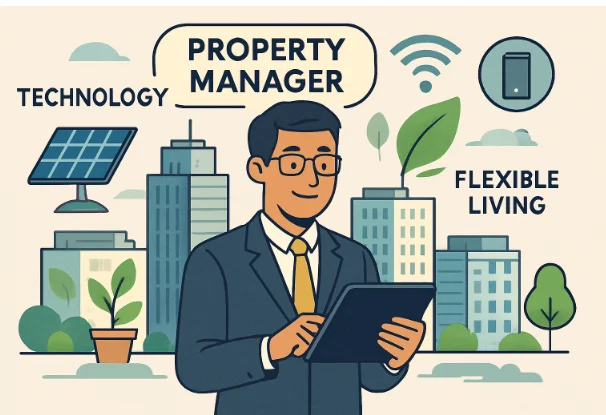
- Artificial Intelligence (AI) and automation are optimizing daily operations and long-term decision-making, increasing efficiency and reducing manual errors.
- Sustainability initiatives prioritize energy efficiency and eco-friendly features, attracting and retaining tenants while reducing operating expenses.
- Flexible leasing models are gaining prominence, meeting the preferences of today’s diverse tenant pool and helping keep occupancy rates high even in uncertain times.
Property management is undergoing a significant transformation as new trends emerge to redefine the industry. Today’s property managers must remain proactive and responsive to evolving market conditions and increasingly diverse tenant needs. Keeping up with innovative practices is essential for long-term success, as tenants and owners now expect more than ever in terms of convenience, amenities, sustainability, and service. Technological advancements and changing demographics have accelerated this period of evolution, requiring those in the field to adopt a holistic and forward-thinking approach. For owners and investors hoping to thrive, collaboration with Brentwood real estate experts The Milam Group can provide the local expertise and guidance necessary to leverage emerging opportunities and stay ahead of shifting demands.
Modern property management now encompasses far more than basic maintenance and rent collection. The integration of advanced technologies, a focus on environmental sustainability, and the adoption of flexible leasing arrangements are reshaping the field to better accommodate tenants and boost operational efficiency. Owners are finding that forward-looking strategies not only streamline operational processes but also contribute to higher tenant satisfaction, improved retention rates, and increased property values in a highly competitive market. Embracing these changes means actively seeking solutions that can optimize rental income, minimize vacancies, and create more attractive living and working environments for tenants across all sectors of real estate, from multifamily apartments to commercial buildings.
Embracing AI and Automation
Technological innovation is at the heart of property management’s current evolution. AI-driven software solutions are now streamlining critical processes, such as tenant screening, maintenance request response, inquiry answering, and repair coordination, through chatbots and automated scheduling. By automating repetitive administrative tasks, property managers can dramatically reduce the risk of manual errors and free up time to focus on relationship building, customer service, and strategic growth planning. Cutting-edge predictive analytics enable proactive decision-making, such as suggesting the best times for repairs, identifying potential maintenance issues before they become costly problems, and even analyzing rent trends at the neighborhood level to inform competitive rental pricing. With AI-powered insights into tenant behavior, managers can better anticipate needs and tailor communications, increasing tenant satisfaction. According to research from Forbes Business Council, AI adoption in property management is strongly linked to higher profitability and more accurate forecasting for future growth. Implementing these tools can help businesses stay agile and competitive while delivering an enhanced tenant experience.
Prioritizing Sustainability
Environmental sustainability is becoming an essential component of property management, as regulators and tenants increasingly emphasize energy conservation and environmental impact. Sustainable features such as solar panels, energy-efficient HVAC systems, smart lighting, water-saving fixtures, and sustainable landscaping can significantly lower operational costs while enhancing a property’s appeal to an increasingly eco-conscious renter base. Green certifications, such as LEED or ENERGY STAR ratings, further signal a property’s commitment to sustainability and serve as powerful marketing tools. Properties with environmentally friendly upgrades often enjoy higher tenant retention rates, increased resale value, and can even command rental premiums as more people prioritize eco-friendly living options. Additionally, sustainable practices help property owners and managers stay ahead of local regulations, avoid potential fines, and meet corporate social responsibility goals.
Adopting Flexible Leasing Models
The leasing landscape is shifting quickly to accommodate a broader range of tenant lifestyles and preferences, particularly as remote work, nomadic living, and digital entrepreneurship gain traction. While traditional long-term leases remain common, flexible alternatives have seen explosive growth. Co-living spaces and fully-furnished short-term rentals have become popular options for remote workers, students, traveling professionals, and those who value mobility over permanence. Subscription-based housing models, which allow tenants to move between properties within a managed network on a month-to-month basis, offer a unique kind of freedom that is especially attractive to today’s transient workforce. These innovative lease types not only increase occupancy rates but can also unlock new revenue streams and boost property visibility. As tenant needs continue to diversify, property managers who offer flexible arrangements are better positioned to respond quickly to market changes, reduce vacancy periods, and appeal to a broad array of renters.
Integrating Smart Technologies
Smart technology is revolutionizing property management operations and significantly enhancing the tenant experience. IoT (Internet of Things) devices now allow property managers to remotely oversee building infrastructure, monitor utility usage, automate entry and security systems, and address maintenance issues before they escalate, often without ever setting foot on the property. Smart locks, security cameras, energy monitoring, and leak detection systems all contribute to a more secure and efficient environment for both owners and renters. Moreover, virtual and augmented reality tools are making property showings and marketing more engaging, allowing prospective tenants to take immersive, 3D tours from anywhere in the world, which can shorten leasing cycles and increase demand. As highlighted by Forbes Business Council, the adoption of smart home technologies is now a major selling point that can drive renter interest, improve energy efficiency, and lower ongoing management costs for property owners. As residents come to expect more convenience, safety, and personalized control, the importance of integrating smart technologies will only grow.
Enhancing Tenant Experiences
Tenant satisfaction has emerged as a key driver of long-term property performance and profitability. By creating stronger, more engaged communities and offering personalized services, property managers can cultivate tenant loyalty and reduce costly turnover. Innovative building amenities, such as coworking lounges, wellness centers, fitness studios, and package delivery lockers, help create a sense of belonging and convenience that goes beyond traditional offerings. Curated social events and resident engagement platforms can further strengthen community ties and provide tenants with valuable networking opportunities. Additionally, data analytics enables managers to gain deeper insights into tenant preferences, identify popular features, and implement tailored improvements that directly address resident needs. Today’s renters value responsive, tech-enabled support channels, streamlined communication, and flexible shared spaces that support both work and recreation, making these priorities critical for maximizing retention and attracting new residents in a competitive market.
Staying Ahead of Regulatory Changes
Compliance with rapidly evolving local, state, and federal regulations remains a top priority for property managers. New rental laws, increased focus on fair housing practices, enhanced data privacy protections, and shifting tenant rights regulations require constant vigilance and the ability to adapt operations with agility. Staying informed about potential policy changes and proactively updating leases, data management systems, and operational protocols is crucial for avoiding legal risks and penalties. Proactive adjustments not only ensure compliance and minimize costly legal disputes but also protect the property owner’s reputation and strengthen tenant relationships. Ongoing professional development, legal consultation, and proactive risk assessment services are invaluable for successfully navigating this challenging regulatory environment and maintaining seamless, conflict-free property operations going forward.
Final Thoughts
Property management is entering a new era, shaped by rapid technological innovation, heightened sustainability focus, and an evolving understanding of tenant expectations. By embracing forward-looking trends, such as AI-driven automation, sustainable upgrades, flexible leasing, smart technology integration, enhanced tenant experiences, and regulatory compliance, managers and investors can position their properties for enduring success in an increasingly dynamic and complex real estate market.
